

Climate Action
Across the globe, the clean cookstove sector plays a critical role in addressing one of the most urgent and interconnected challenges in sustainable development: the way families cook their daily meals.
Clean cooking is climate action. It is gender equity. It is health equity. And it is one of the most cost-effective interventions for reducing carbon emissions while improving the quality of life for families in low-resource communities.
StoveTeam International is committed to delivering high-quality clean cookstove programs that reduce emissions, improve family health, and strengthen climate resilience in rural Central America. The following sections outline our approach, the technology we use, the co-benefits generated through our work, and our long-term commitment to ensuring every stove continues to operate safely and effectively—today and for years to come.
Our Commitment
We are committed to implementing high-quality cookstove projects that drive substantial climate action. Our approach adheres to rigorous monitoring and evaluation methods, aligning with the standards set by leading carbon crediting programs. By adhering to these methodologies, we ensure that our cookstove projects not only contribute to climate mitigation but also support the health and well-being of families, particularly women and girls, in rural Central America.

Doña Maria Ilia López and her Justa cookstove, Guatemala.
“The time is past when humankind thought it could selfishly draw on exhaustible resources. We know now the world is not a commodity, is not a source of revenue; it’s a common good, it’s our heritage.”
Find Us on 1% For The Planet

We proudly partner with 1% For The Planet, learn more here
The Justa Design
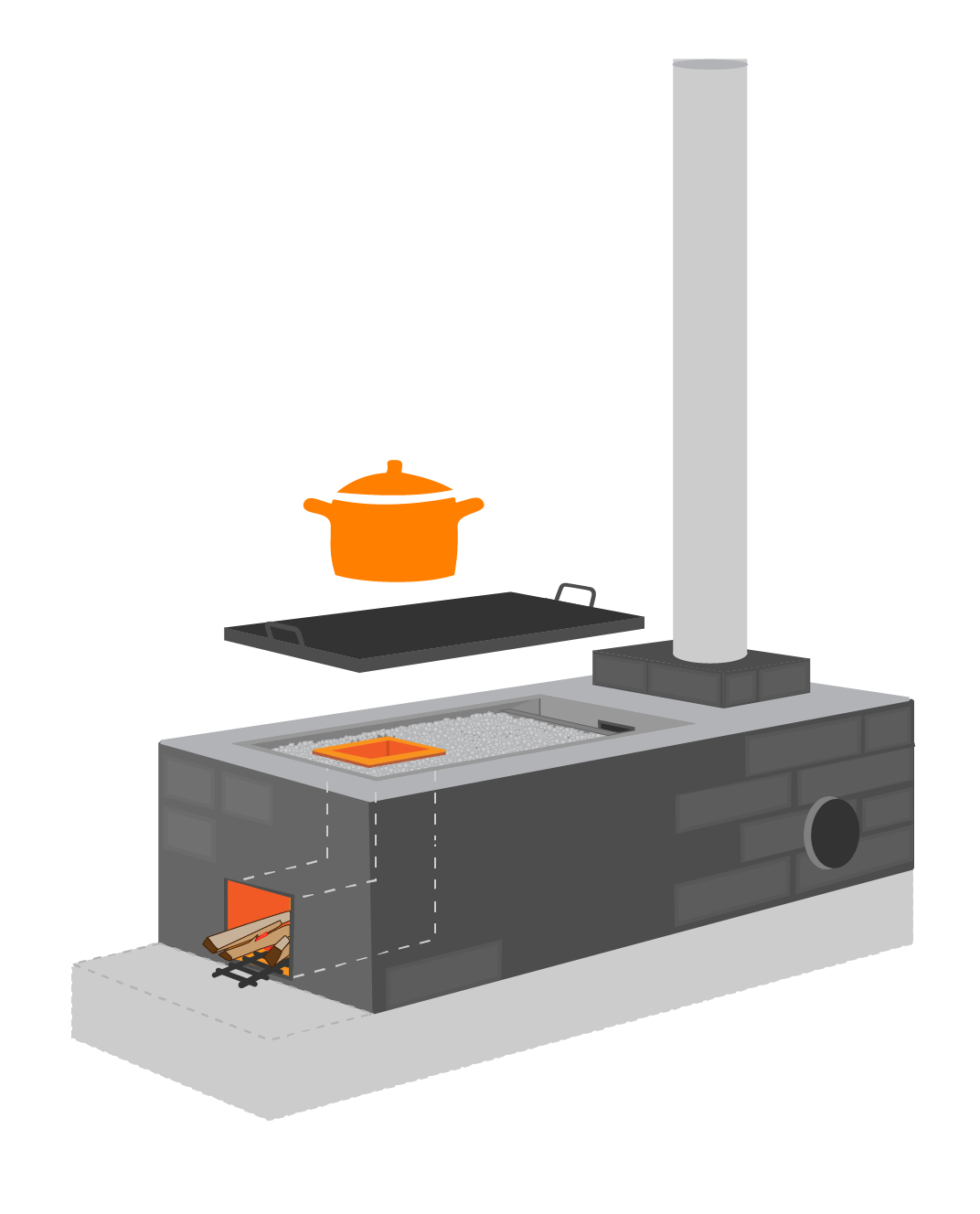
The Justa cookstove (pronounced “hoo-stuh”) is built in place inside the home by one of our trained and certified Stovebuilders. Each stove benefits an average family of nearly 5 people and provides meaningful employment, while contributing toward a solution to climate change and deforestation.
By using an efficient rocket combustion chamber and a chimney, the Justa cookstove emits almost zero smoke into the indoor environment.
By providing clean, efficient cookstoves, we reduce harmful smoke exposure, lower household fuel consumption, and prevent deforestation. Our work advances multiple Sustainable Development Goals while centering Climate Justice, ensuring that families most affected by environmental and health inequities have access to safe, sustainable cooking solutions.

Addressing Sustainable Development Goals
SDG 3 – Good Health and Well-Being: Cleaner air and safer cooking environments lower the risk of illness and early death.
SDG 5 – Gender Equality: Time and labor savings empower women to participate in economic, educational, and community opportunities.
SDG 13 – Climate Action: Every stove installed significantly reduces black carbon and CO2 emissions, directly combating climate change impacts.
Climate Justice in Action
Improving Public Health: Replacing open-fire cooking with Justa cookstoves nearly eliminates indoor smoke, reducing the risk of respiratory illnesses and premature deaths.
Empowering Women: Families spend up to 50% less time collecting firewood, women gain valuable hours that can be invested in education, income-generating activities, or simply rest and leisure
Protecting the Environment: Reduce fuel use by up to 50%, preventing deforestation, and lowering emissions.
Our M&E Methodology
StoveTeam follows industry best practices to conservatively and accurately measure the long-term impact of every stove we place.
Our Monitoring & Evaluation framework and implementation plans include:
Comprehensive demographic and GPS data collection for all stove-receiving households
Baseline and post-installation fuel assessments using the Kitchen Performance Test (KPT) with conservative caps
Stove Use Monitoring Systems (SUMS) when funding allows
Annual follow-up visits to every stove to assess usage, functionality, and remaining useful life
This commitment to annual monitoring and maintenance ensures durable climate impact, high adoption rates, and accountability to both families and climate partners.
Our Program Evaluation
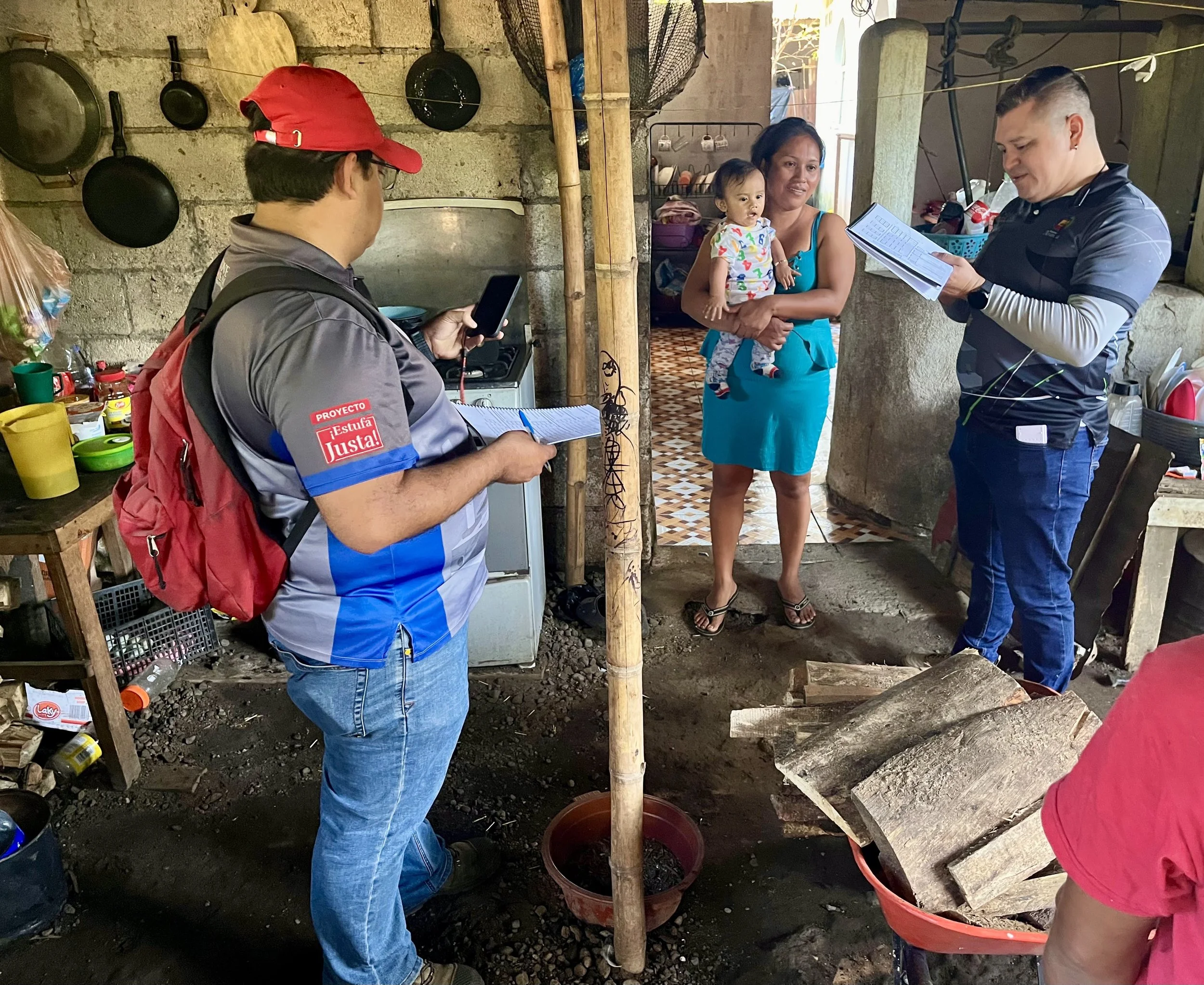
Since 2022, StoveTeam has been installing Justa cookstoves in homes across Guatemala, El Salvador and Nicaragua. through our trained and certified Maestros Comaleros. Our monitoring and evaluation methodology allows us to consistently assess program effectiveness, stove performance, and long-term adoption among the families we serve.
Through this ongoing evaluation, we’ve learned that well-maintained stoves typically begin to need maintenance after about three years—most commonly the combustion chamber, chimney, and plancha (griddle). In the summer of 2025, we launched a pilot maintenance program to respond to this need. The pilot included two communities where Justa stoves had been installed more than three years prior.
Our Project Coordinators conducted household surveys to understand each family’s stove use, maintenance habits, and the specific parts requiring replacement or repair. Two of our Maestros Comaleros then returned to each home, replacing components that had reached the end of their lifespan and restoring parts—such as the plancha—that simply needed additional care.
The pilot demonstrated strong results. Building on this success, in 2026 we will expand the initiative to provide stove maintenance for families actively using their Justa stoves. During the pilot year, implementation will focus on Guatemala. Pending continued success, stove maintenance will become a permanent component of our Justa program and will be rolled out across all StoveTeam service areas.
This long-term commitment to keeping clean cookstoves in use is a core expression of climate justice—ensuring families can continue to rely on safe, efficient technology that protects both their health and the environment.
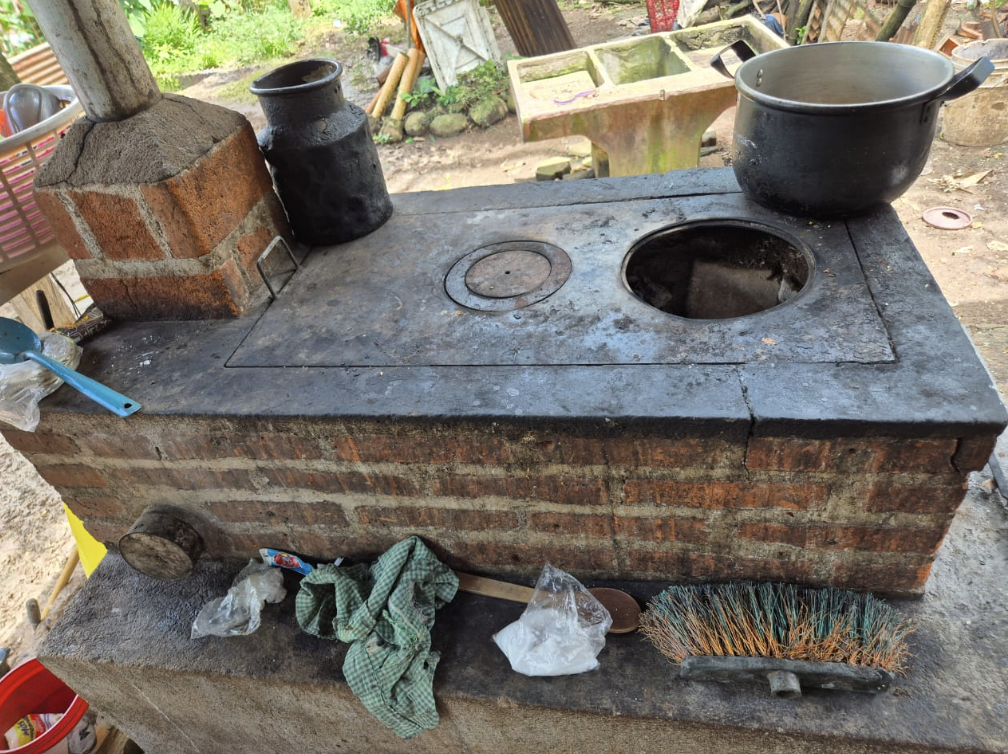
A well-used, well-loved stove was placed in 2022 before our Maintenance Team came to evaluate and restore the stove.
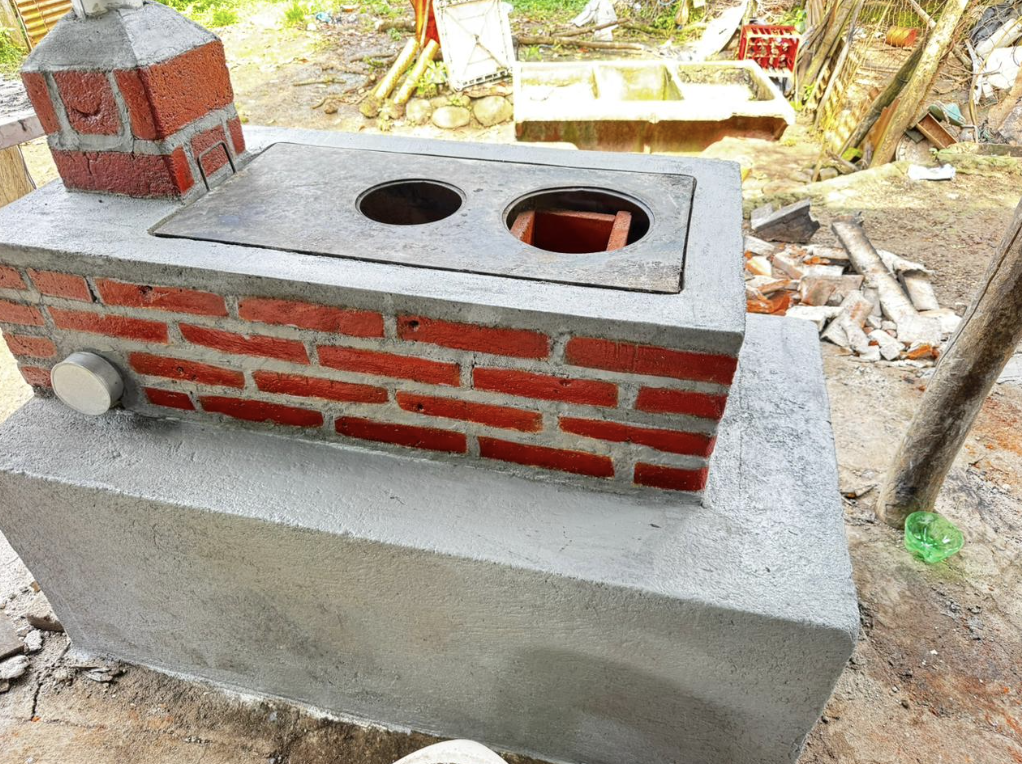
The same stove to the left, but after the stove was restored by our team. The stove will now continue to be used and loved for years to come.